Article: How to Choose Summer Sandals for Problem Feet: A Podiatrist’s Guide
How to Choose Summer Sandals for Problem Feet: A Podiatrist’s Guide

Summer.
For many of us, it’s the best time of year. But by February, patients start booking in with familiar complaints: “My foot pain is back.” Or new patients appear, describing pain that has crept in over the past few months.
Often, there’s a common culprit — summer footwear.
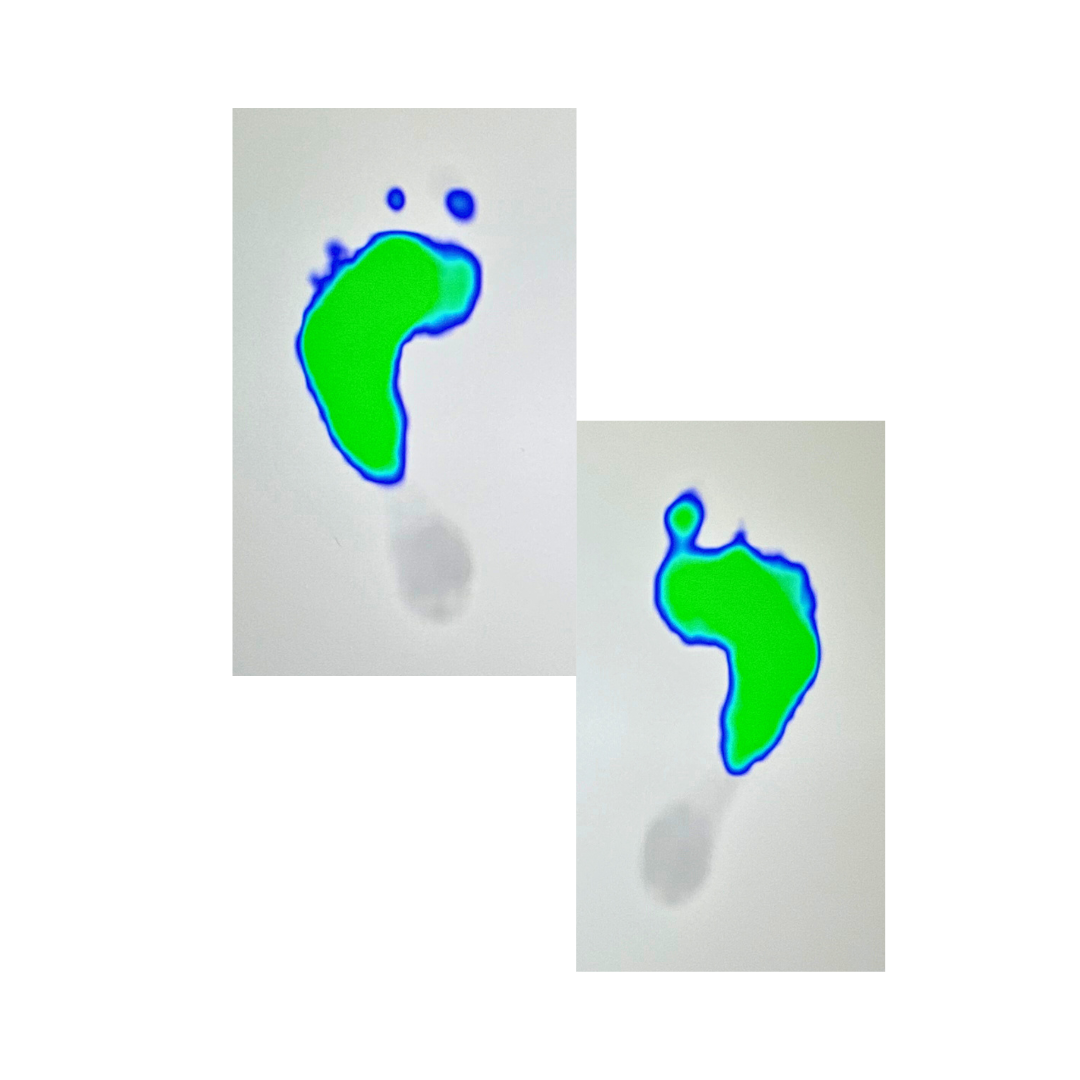
Being barefoot on a hot day feels great. Strappy sandals that let our feet breathe are far more appealing than socks, shoes, and orthotics. But many foot problems come down to excessive load on structures that can’t cope.
Poor foot posture and poor foot strength are common causes of these excessive loads.
That’s why summer can be challenging for those of us with problem feet: how do you stay cool and comfortable without pain making a comeback
Foot Strength: The Foundation for Healthy Feet
The number one thing we encourage patients to do is foot and ankle strengthening. Stronger feet are more resilient when we move into lighter, lower-support footwear.
If you’ve let those exercises slide over winter, summer is the perfect time to get diligent again. A stronger base makes every sandal more forgiving.

Sandals — What Features Matter for Foot Health?
All footwear changes how you walk. Sometimes for good, sometimes for bad.
Sandals bring their own challenges. Most lack supportive straps, especially those without a back strap. Without one, your body works overtime just to keep the sandal on your foot — changing how your feet, ankles, knees, and hips function at push-off. Your footwear should hold on to you. You shouldn’t have to hold on to it.
Other common issues:
-
Too flat: Minimal heel height can trigger compensations through the midfoot, forefoot, and knee.
-
No arch support: Most sandals lack midfoot structure, which spells trouble for problem feet.
-
Thin cushioning: As we age, natural fat pads under the feet thin out, so inadequate padding can cause pain.
Key Features to Look For in Supportive Sandals
-
Arch support that mimics orthotic design
-
Adjustable straps for a secure fit (back straps are non-negotiable!)
-
Cushioning that absorbs shock without collapsing
-
Slip-resistant sole
-
Water- or travel-friendly design for beach and pool days
Avoid these Common Sandal Mistakes
-
Flat, unsupportive slides
-
No back strap
-
Cushion-only sandals with no structure
-
Supportive arches but on hard, flat soles
-
Narrow or rigid uppers that crowd the toes
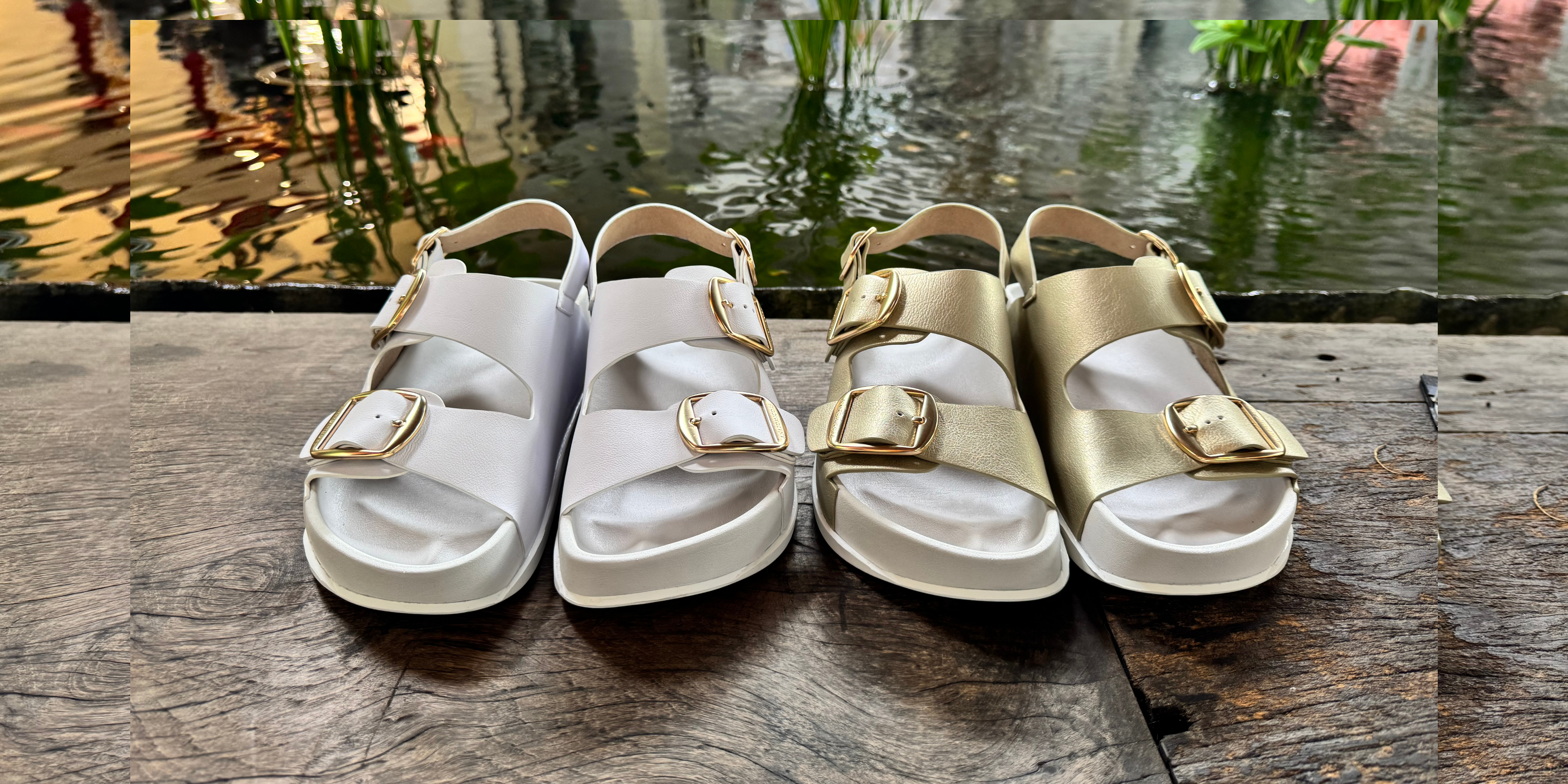
The ANATOMICA Sandal: Podiatrist Designed to Address Key Sandal Features
Key Features of the Anatomica Sandal
-
Optimised heel pitch for healthier foot and ankle function
-
Clinical-grade orthotic support (the AnatomiCore™ Footbed)
-
Secure back strap to allow natural muscle function through the whole gait cycle
-
EVA foam footbed balancing comfort with stability
-
Slip-resistant rubber outsole for safety on wet surfaces
With regular wear — whether through summer or as a healthier replacement for slippers at home — the ANATOMICA sandal can help manage those excessive loads that make for grumpy feet.
Get ready to move better.

Dr Narelle Wyndow, PhD
Podiatrist & Human Movement Scientist
Founder, ANATOMICORE LABS